Summary: Learn how to play like Paula Badosa with this practical guide. Steal her return position, early back
aula Badosa doesn't just hit the ball hard—she hits it early, takes control, and makes you feel like you're always a step behind. Watch her dismantle a forehand crosscourt and you'll notice the pattern: deep return, aggressive first strike, then a short ball she punishes without hesitation. That's not luck. It's a repeatable system。and you can steal pieces of it for your own game.Start with the return of serve. Badosa stands well inside the baseline against second serves, often a full meter in. Try this: on second serves, move two steps forward and aim your return deep down the middle. You'll neutralize the server's angle and give yourself time to recover. I've seen club players transform their return games by making this single adjustment. The key is committing to the forward movement—hesitation kills the play.Her backhand is the quiet weapon. Badosa uses a two-handed backhand with a compact backswing, which lets her take the ball early and redirect it with interest. Practice this by hitting crosscourt backhands from inside the baseline。
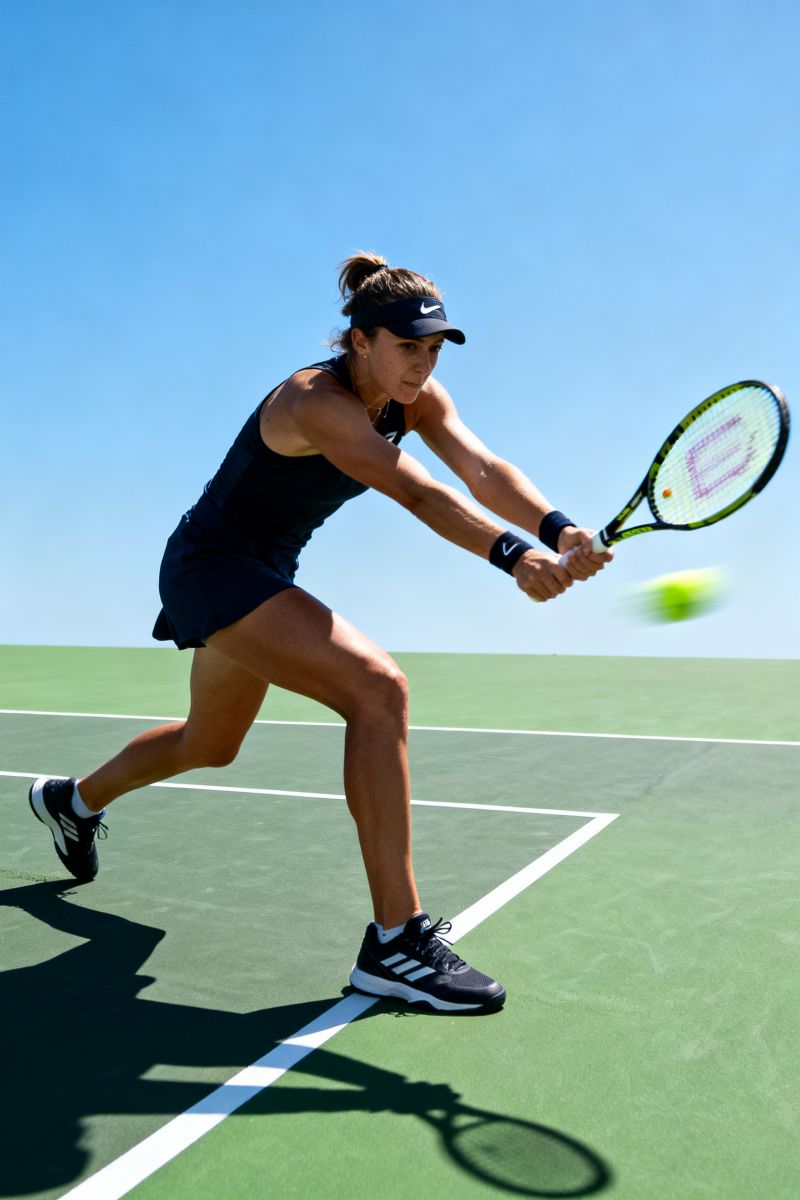
focusing on contact point in front of your body. Don't worry about power at first. Just meet the ball early, and the pace will come. A friend of mine, a 4.5 player, spent three weeks on this and suddenly found himself hitting backhand winners against opponents who used to overpower him.The forehand?Badosa's is a whippy, heavy topspin shot that jumps off the court. She uses a semi-western grip and a full shoulder turn。but what really stands out is her footwork. She takes dozens of tiny adjustment steps before every shot—watch her feet on a wide ball and you'll see a blur of micro-steps. For your own game, incorporate a split step and two or three adjustment steps before every forehand. It feels frantic at first, but it's the difference between reaching and attacking.Finally。the mental layer. Badosa plays with visible intensity—clenched fists, loud "vamos," a stare that could melt a tennis ball. That's not theater. It's a way to stay locked in. Try borrowing that energy: after a lost point, turn away, reset your breathing, and commit to a specific pattern on the next point. You don't need to be as fiery as Badosa, but you do need a trigger to avoid drifting. The technical habits above only work if your head is in the point. And that's true whether you're playing a local tournament or just grinding out a third set with a friend.